
Brave HR? No, thank you
Why air traffic control should be HR’s model
Date
7 April, 2026
Written by
Linus Holmgren
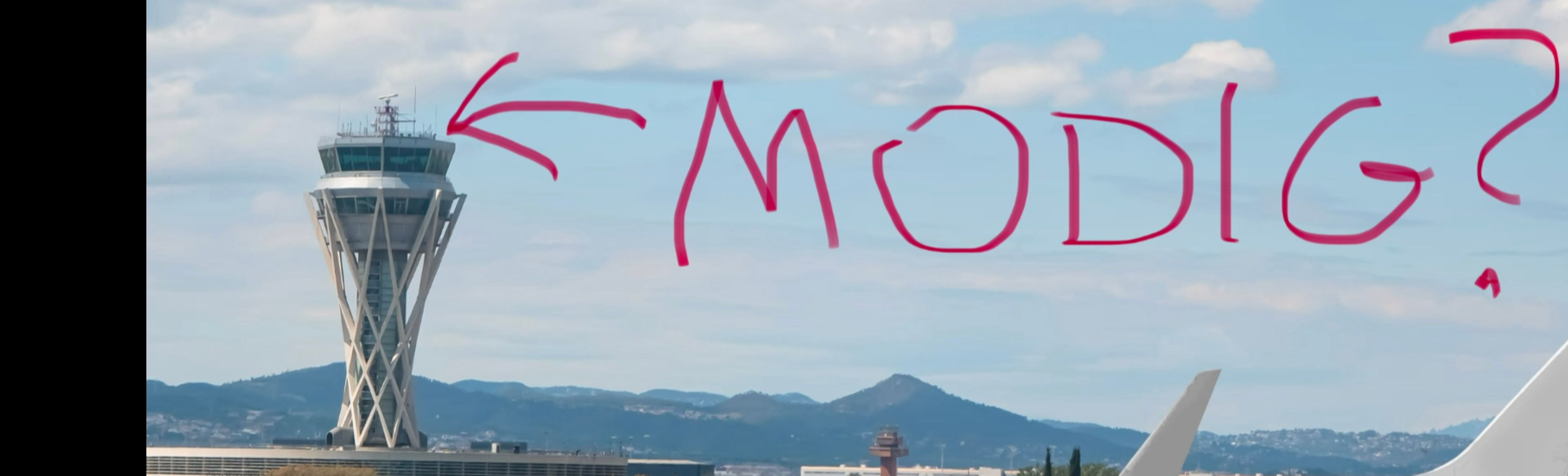
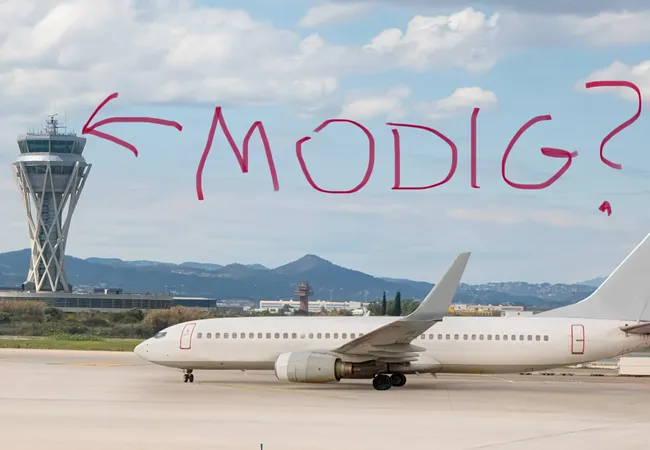
Recently, I was at Barcelona Airport watching aircraft take off and land in perfect choreography. You know that feeling when everything just works. No show, no drama. Just methodical precision.
Somewhere between an overpriced cup of tea and a gate that changed twice, I read yet another post about “brave HR”. And a thought struck me.
What if HR were more like an air traffic controller? The person who sees the whole system.
A brave CFO who thinks outside the box when closing the accounts is no hero. A bus driver who experiments with a new route in rush hour is no visionary.
We want precision, predictability and an understanding of consequences from them. Just as we do from HR.
When HR works like air traffic control, you barely notice it. The organisation moves forward. The right people are in the right places. Leadership has an overview, managers get support and employees know what to expect.
The people management system affects employees, managers, the CEO and the leadership team. When it fails, the consequences are clear: costly hiring mistakes, key people leaving or leadership falling short.
These problems often arise from a lack of structure.
The work involves understanding talent needs in relation to business strategy, looking at engagement alongside performance, and building structures that help people thrive and perform at their best. Creating structure and stability is professional, not timid.
Do not misunderstand me. Moral courage matters. When values are threatened, people are harmed or someone blows the whistle, HR should stand firm, as should everyone else.
But in everyday work, we need something else.
Perhaps the most radical thing HR can do right now is make sure things work.
What does your control tower for people management look like?
Relaterade inlägg
People First? Yes. And no.
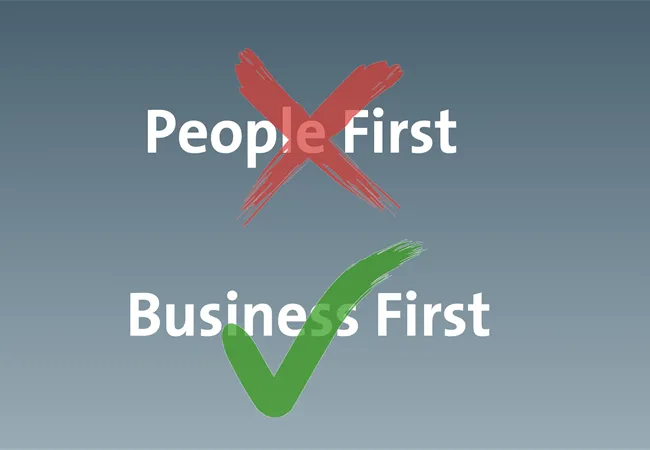
“People First” is one of LinkedIn’s most popular sayings. It sounds obvious. But what does it mean in practice? And why is it so often misinterpreted, even though the business must come first, through people?

Should HR be friends with employees?
A recent LinkedIn discussion followed a Svenska Dagbladet article about growing frustration with HR and the idea that HR is “not your friend”. It raises a question: should HR act as a friend to employees?

Some uncomfortable truths about HR
Media debates about HR often remain at the level of right or wrong, good or bad. Feelings and experiences dominate, while underlying challenges can go unaddressed. This article explores some of them.
Brave HR? No, thank you
Why air traffic control should be HR’s model
Employer branding has grown up. Now it must find its role!
We were invited to contribute to Magnetude, the Magnet Awards magazine, on the future of employer branding as a discipline and, above all, its connection to the wider business.
Stop pointing at HR. The buck stops here,
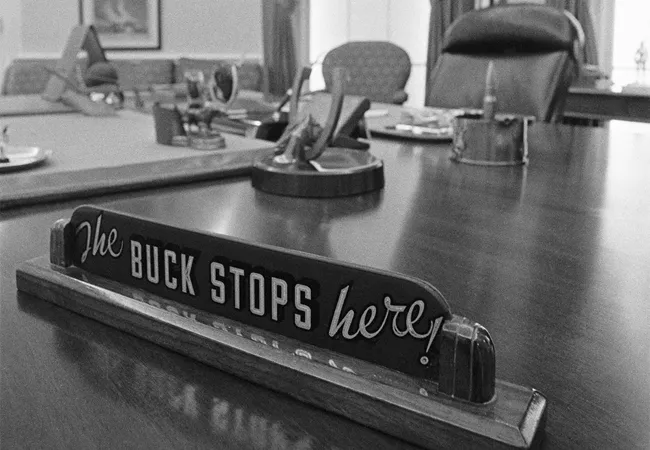
HR can support, provide structure and create tools. But HR does not lead the teams, set daily priorities or shape psychological safety through everyday management. You do, as a manager.
It’s time to modernise HR work – properly
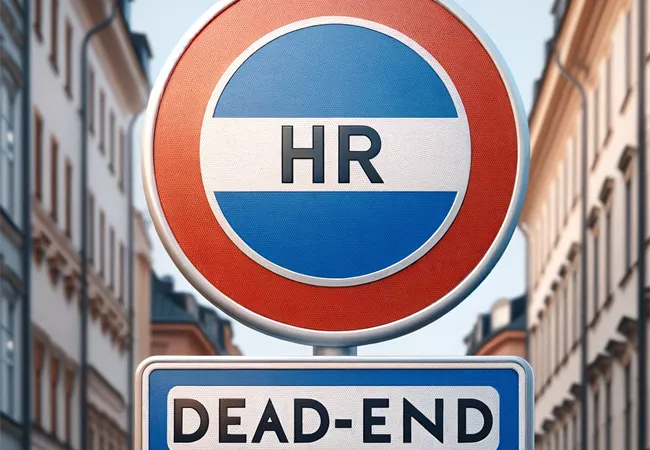
HR has evolved over a hundred years, but are the structures built for today’s demands? If employees are crucial, why is there then a lack of overview, insight and control over structures and the ability to deliver?
ARUBA, the Underground map and why we also need the HR flounder
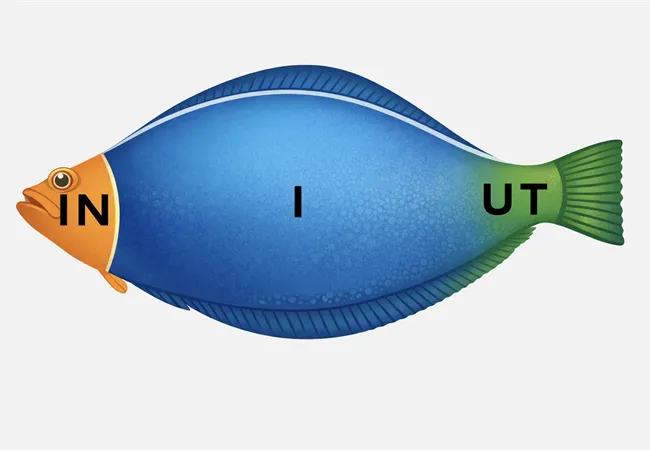
The ARUBA model has helped HR create structure and understanding. But it is not particularly good at clarifying where value is actually created.