

It’s time to modernise HR work – properly
HR has evolved over a hundred years, but are the structures built for today’s demands? If employees are crucial, why is there then a lack of overview, insight and control over structures and the ability to deliver?
Date
25 February, 2026
Categories
Perspectives , Guides , Insights
Written by
Erik Cedergren
From Personnel Department to People & Culture – but what has actually changed?
HR is a relatively young discipline. Just over a hundred years old. It emerged from the personnel departments of the early 20th century and has since gone through several stages of development. From an administrative and often reactive function — and often the one pointed to for everything related to employees — to a more proactive partner, and now increasingly the broad umbrella of People & Culture.
A lot has happened.
But now it is time for HR to take the next step in its development.
Most people are, at least in words, in strong agreement that employees are important for an organization’s success. That the employee experience is important in order to attract, retain, and engage employees is also a commonly accepted truth. Having insight into employees’ well-being, performance, compensation and benefits, competencies, preferences, and conditions is increasingly seen as a hygiene factor in modern organizations. But how much does HR actually contribute to achieving this?
But does HR know how employees are doing? Not in general terms, but concretely and systematically. How they perform? Where competencies are lacking in the organization and what employees’ preferences look like? Do they have control over roles, compensation, and organizational structures? Can they lead the work of securing competencies for the organization and plan for future growth?
And does HR consistently and systematically communicate all of this to managers and leadership so that well-grounded business decisions can be made in day-to-day operations?
All too often, the answer is unfortunately “no”.
A clear sign of this is that management’s trust in HR in many surveys ranks at the bottom compared to other internal support functions such as IT and legal. And that HR itself has tried to find its “new” role for decades. The recurring question at HR conferences is “how do we become more strategic”. There are few conferences for finance and sales departments with that theme.
Fragmented data and an unclear connection to the business
This is rarely about a lack of willingness or commitment. Rather, it is about structure. HR work is often built around processes, routines, and systems that have developed over time. Specialists are responsible for different parts: recruitment, labor law, payroll, work environment, leadership, and employee communication. Each part may function well on its own. But the overall picture becomes fragmented. Data is scattered. The connection to the organization’s overarching purpose becomes unclear.
So what is required for HR to succeed in taking this next leap forward?
A new foundation for HR work
The modernization of HR begins with clarifying the overall purpose of HR work. Only when the purpose is clear does it become meaningful to talk about efficiency and quality.
For us, the purpose is clear: HR work should support the organization’s operations. It should contribute to enabling the organization to fulfill its mission and create value. Not be an end in itself, not a parallel structure, but a means of strengthening execution capacity.
Based on this purpose, HR work needs to be broken down into its strategic and operational components. This means dissecting every moment — from attraction and recruitment to performance, development, and offboarding — and examining them in the light of the business’s needs. What actually creates value? What are historical remnants? What is cosmetic rather than substantive?
Modernizing HR is therefore not about becoming more “strategic” in rhetoric. It is about building a new foundation. A foundation that provides overview, context, and decision support. Where People data is not scattered across silos but gathered and understandable. Where the connection between people-related questions and business goals is clear. Where HR does not merely execute processes, but contributes to shaping the organization’s capacity.
The result of a system or a way of working will never be better than its architecture. If the foundation is fragmented, the outcome will also be fragmented. If the purpose is unclear, the work becomes reactive. If the data is scattered, decisions become uncertain.
This is the next stage of development for HR. Not more models. Not more slogans. But a structural modernization that makes it possible to work consistently, systematically, and truly close to the business.
Because in the end, the question is simple: if employees truly are our most important resource — is HR work built to treat them that way?
Relaterade inlägg
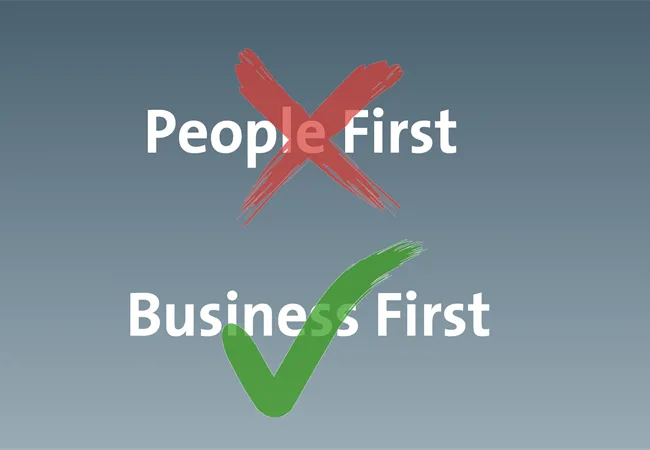
People First? Yes. And no.
"People First" is one of LinkedIn’s most popular quotes. And it sounds obvious. But what does it actually mean in practice? And why is the slogan so often misinterpreted, even though the business has to come first — but through people.

Ska HR vara vänner med medarbetarna?
En diskussion blossade nyligen upp på LinkedIn mot bakgrund av artikeln ””inte dina vänner” – Ilskan växer mot HR” i SvD. I ljuset av detta så blir frågan aktuell - är det meningen att HR ska agera som vänner gentemot de anställda?
Några obekväma sanningar om HR
När HR debatteras i media så stannar ofta debatten på en rätt trivial nivå – det är rätt/fel och bra/dåligt. Känslor och upplevelser dominerar berättelsen. Det är lätt hänt att faktiska utmaningar hamnar i skymundan i dessa debatter och att verkliga problem blir kvar under mattan. Jag vill belysa några av dem i denna artikel.
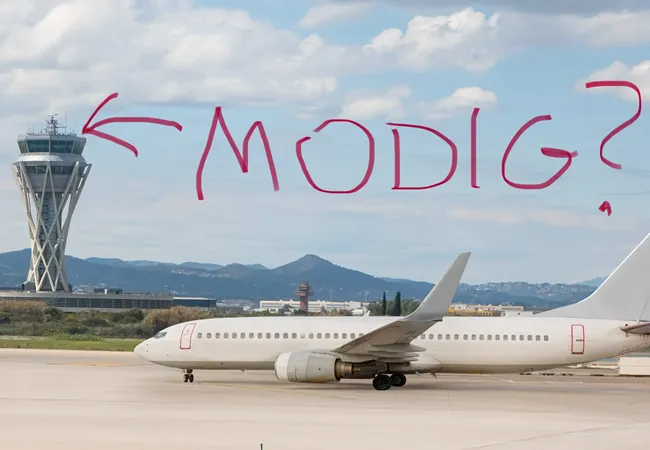
𝗠𝗼𝗱𝗶𝗴 𝗛𝗥 – 𝗻𝗲𝗷 𝘁𝗮𝗰𝗸
(Och varför flygledarledarskap borde vara HR:s mantra)
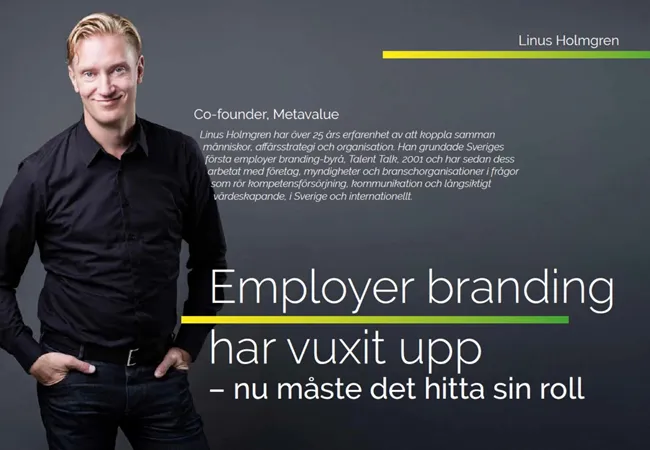
Employer branding has grown up. Now it must find its role!
We were asked to write an article in Magnetude, Magnet Awards' magazine, about the future of employer branding as a discipline in its own right, but above all its connection to the bigger picture.
Stop pointing at HR, or The buck stops here
HR can support, provide structure and create tools. But HR does not lead the teams, does not set day-to-day priorities and does not set the tone for psychological safety. You do, as a manager.
It’s time to modernise HR work – properly
HR has evolved over a hundred years, but are the structures built for today’s demands? If employees are crucial, why is there then a lack of overview, insight and control over structures and the ability to deliver?
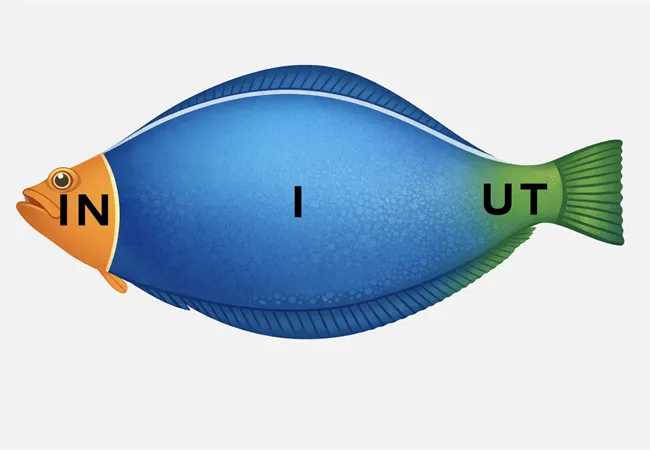
ARUBA, the Underground map and why we also need the HR flounder
The ARUBA model has helped HR create structure and understanding. But it is not particularly good at clarifying where value is actually created.