
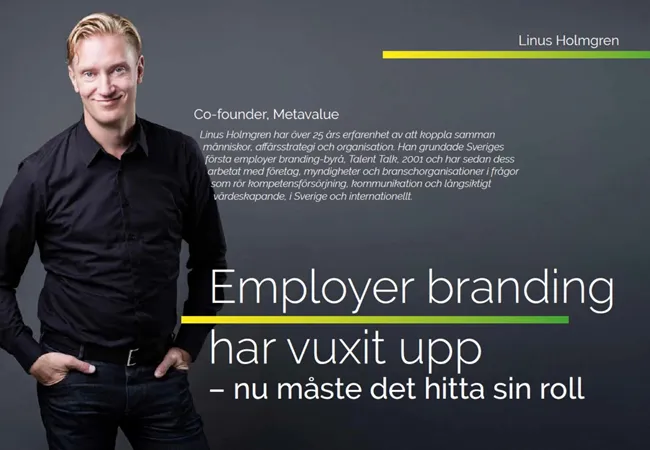
Employer branding has grown up. Now it must find its role!
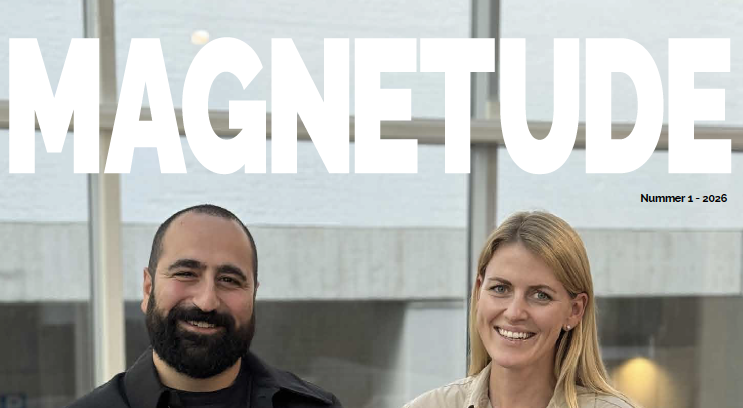
We were asked to write an article in Magnetude, Magnet Awards' magazine, about the future of employer branding as a discipline in its own right, but above all its connection to the bigger picture.
Date
19 January, 2026
Categories
Perspectives , Insights , News
Written by
Linus Holmgren
When we started Talent Talk 25 years ago, EB was a vague appendage to HR or marketing. Today it is an established profession. There are specialist roles, clear frameworks, advanced tools and dedicated budgets. This is a positive development.
But professionalisation also entails responsibility.
When a function becomes skilled enough to stand on its own two feet, there is a risk that it starts optimising its own KPIs rather than its role in the value chain. For employer branding, that means the focus shifts to reach, engagement and candidate experience, instead of execution capability, performance and business impact.
This is where the leadership perspective becomes crucial.
Employer branding is not a communications activity. It is part of the talent supply strategy. And talent supply is a business-critical issue. In most organisations, personnel costs are the largest cost item. At the same time, competence is the primary competitive advantage.
This means employer branding must clearly be linked to:
- Strategic workforce planning
- Recruitment quality and time-to-productivity
- Retention in business-critical roles
- Leadership and execution capability
If the link is missing, a gap emerges. Activities are carried out, but the impact is unclear.
Leadership does not need more isolated campaign metrics. It needs an overview of the entire People flow, from attraction to performance. It needs control over cost, quality and outcomes. It needs insight into how investments in People work affect profitability.
Many companies have already integrated their customer journey. Marketing, sales, product and delivery are managed as a coherent system. People work must be treated in the same way.
It is only when employer branding and all other People-related activities are seen as parts of a larger system, not as standalone disciplines, that their full business value is realised.
The question, therefore, is not only how strong your employer brand is, but also to what extent your employer branding efforts help strengthen your business and increase your business value.
Relaterade inlägg
People First? Yes. And no.
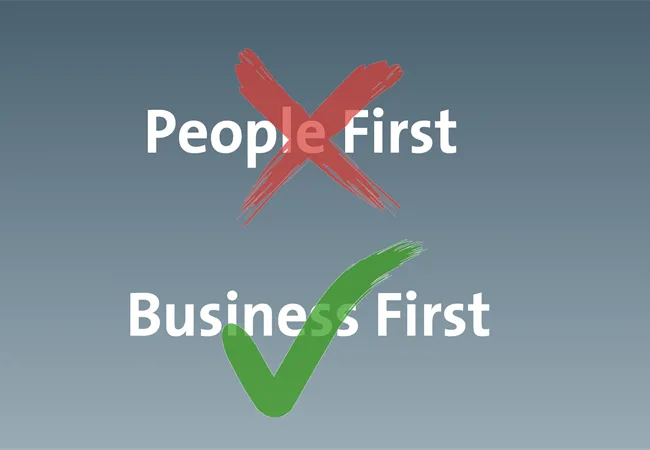
"People First" is one of LinkedIn’s most popular quotes. And it sounds obvious. But what does it actually mean in practice? And why is the slogan so often misinterpreted, even though the business has to come first — but through people.

Ska HR vara vänner med medarbetarna?
En diskussion blossade nyligen upp på LinkedIn mot bakgrund av artikeln ””inte dina vänner” – Ilskan växer mot HR” i SvD. I ljuset av detta så blir frågan aktuell - är det meningen att HR ska agera som vänner gentemot de anställda?

Några obekväma sanningar om HR
När HR debatteras i media så stannar ofta debatten på en rätt trivial nivå – det är rätt/fel och bra/dåligt. Känslor och upplevelser dominerar berättelsen. Det är lätt hänt att faktiska utmaningar hamnar i skymundan i dessa debatter och att verkliga problem blir kvar under mattan. Jag vill belysa några av dem i denna artikel.

𝗠𝗼𝗱𝗶𝗴 𝗛𝗥 – 𝗻𝗲𝗷 𝘁𝗮𝗰𝗸
(Och varför flygledarledarskap borde vara HR:s mantra)
Employer branding has grown up. Now it must find its role!
We were asked to write an article in Magnetude, Magnet Awards' magazine, about the future of employer branding as a discipline in its own right, but above all its connection to the bigger picture.
Stop pointing at HR, or The buck stops here
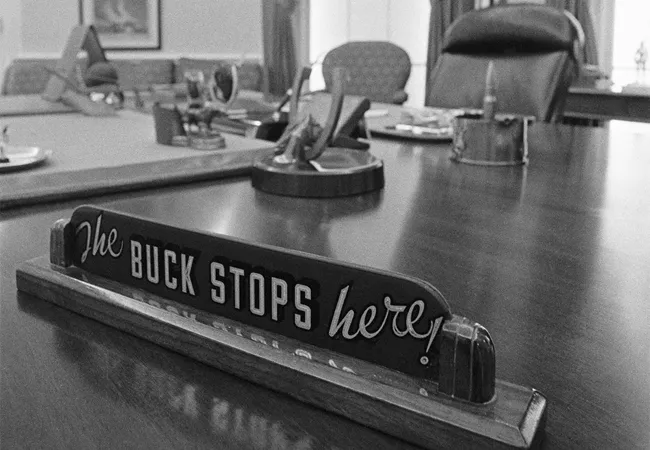
HR can support, provide structure and create tools. But HR does not lead the teams, does not set day-to-day priorities and does not set the tone for psychological safety. You do, as a manager.

It’s time to modernise HR work – properly
HR has evolved over a hundred years, but are the structures built for today’s demands? If employees are crucial, why is there then a lack of overview, insight and control over structures and the ability to deliver?
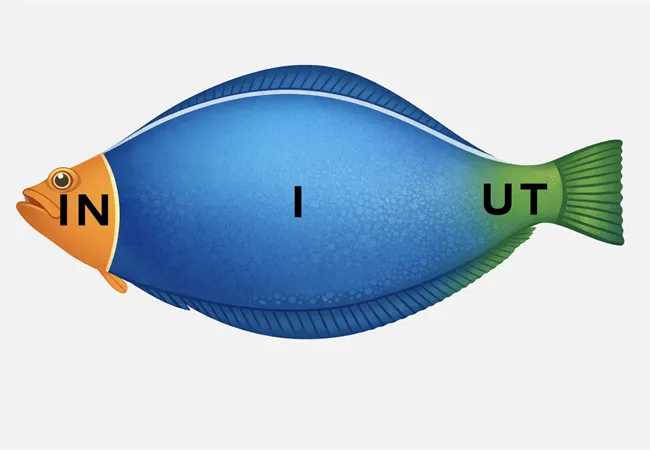
ARUBA, the Underground map and why we also need the HR flounder
The ARUBA model has helped HR create structure and understanding. But it is not particularly good at clarifying where value is actually created.