
ARUBA, the Underground map and why we also need the HR flounder
The ARUBA model has helped HR create structure and understanding. But it is not particularly good at clarifying where value is actually created.
Date
25 February, 2026
Categories
Perspectives , Insights , Guides
Written by
Linus Holmgren
The model we all recognise
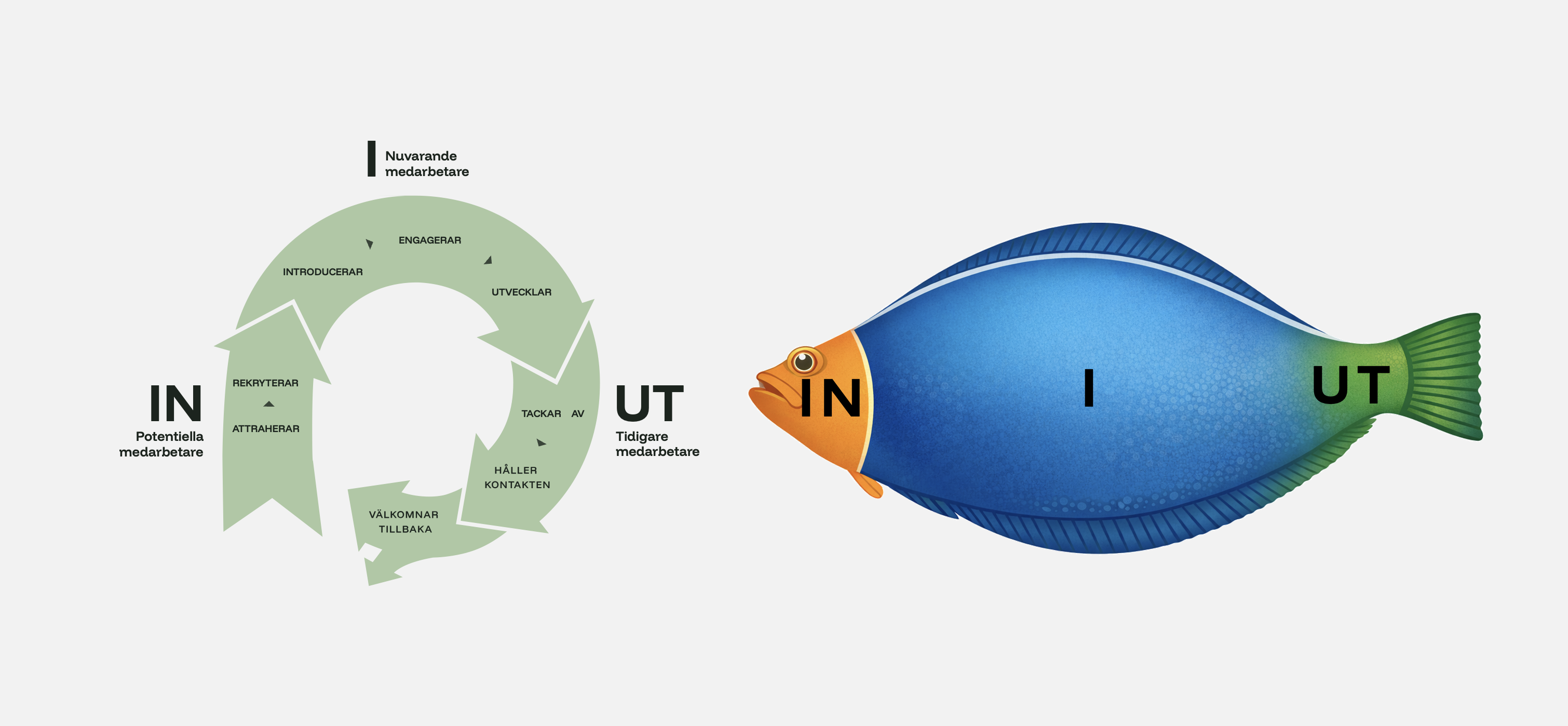
Most managers and HR leaders have seen the model countless times. As an arrow, circle or neat loop in PowerPoint. A pedagogical map of the employee journey Attract, Recruit, Develop, Retain, Offboard. It serves an important purpose: to show that the employee journey consists of several parts that are connected.
But when we lift our gaze and look at the bigger picture—the organisation, the business and the day-to-day reality for managers and employees—then it starts to chafe a bit, and the drawbacks of the ARUBA model become visible.
Like the Underground map – clear but simplified
It reminds me somewhat of the realisation I had in my early teens that the Underground map doesn’t actually show what Stockholm really looks like. Stations that looked like they were close together weren’t at all, while the opposite was true for others. But the Tube map and the ARUBA model have the same purpose: to show the structure—how everything fits together.
The ARUBA model is like an Underground map. It is perfect when you want to understand the lines and the stations. It simplifies, straightens out and strips away what gets in the way.
But no one uses the Underground map to understand what Stockholm actually looks like. And it is in fact completely useless if, for example, you are out walking or cycling. It doesn’t show the topography or the distances. Not how the neighbourhoods connect above ground.
It only shows which stations come after one another.
The ARUBA model does the same with the employee journey.
It shows the sequential steps. It shows the flow. But it doesn’t show where value is actually created. And it doesn’t give a fair picture of how the employee journey is experienced in real life.
In real working life, the Attract and Recruit phases pass quickly and can be counted in weeks or months, whereas the Develop and Retain phases can last for decades. The Offboard phase is considerably more abrupt and, in the same way, has its own peculiarities. Put bluntly, in practice it has very few similarities with the other phases.
In light of this, questions arise—does it make sense to devote equivalent attention to these phases of the employee journey? Should one allocate the same amount of resources in HR work to the different phases? Is the ARUBA model a good model for understanding and prioritising HR work?
This is where the HR flounder comes in
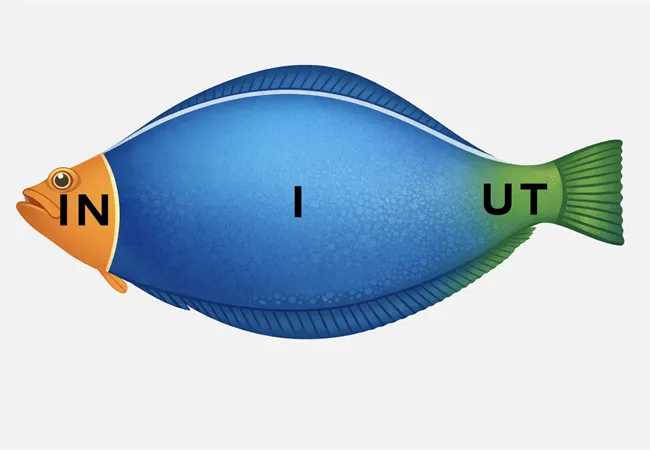
Imagine a small head. A small tail fin. And a large, powerful body. Because it is in the body that value is created. Here are the most substantial parts and the very essence. Where people every day solve tasks, collaborate and make things happen.
The ARUBA model isn’t wrong. It’s just misleading when it comes to value creation in the employee journey. The HR flounder isn’t a new model to draw. It’s a way of thinking: more wholeness, more context and more clarity about where value is actually created.
In the HR flounder, the In- and Out- phases are transition phases. Important, but not central. The In phase, on the other hand, is both important and central. This is where value is created and the whole point of HR work can be realised. This is where the main focus should be placed and the majority of resources allocated.
Is the HR flounder a reasonable replacement for the ARUBA model? Maybe, maybe not. As often happens, problems arise when we start believing that the models describe reality.
But the next time you see an ARUBA model, don’t forget to think about the HR flounder.
PS: What also chafes
Apart from it being misleading regarding where value is created, there are in fact more things that chafe about the classic ARUBA model.
Partly it’s the language: Retain. Offboard. As if people were objects. But employees are not something you “retain”; they choose for themselves whether they stay or leave. The language reveals an old power logic that doesn’t quite fit today’s working life.
No one would use the same wording in their private life: “I offboarded my wife” or “I’ll retain my boyfriend a bit longer”.
Partly it’s that it appears as if these objects—the employees—are something HR is tasked with handling. However important correct handling of employees may be, that is not the real purpose of HR work. It is to create and safeguard execution capability. That things get done. That strategies are turned into results.
To succeed with this, you don’t just need to handle employees; you need to support the work of engaging them. And preferably interacting with them and treating them as individuals, not objects.
The ARUBA model also helps to create and maintain silos in HR work. You optimise each process step in isolation. I don’t know how many times I’ve heard: “Now we’ve worked our way through the recruitment process, so now we’ll take on onboarding.” As if they were completely separate islands, disconnected from what comes before and after.
Perhaps it’s time we update our models so we don’t miss the point of HR work.
Relaterade inlägg
People First? Yes. And no.
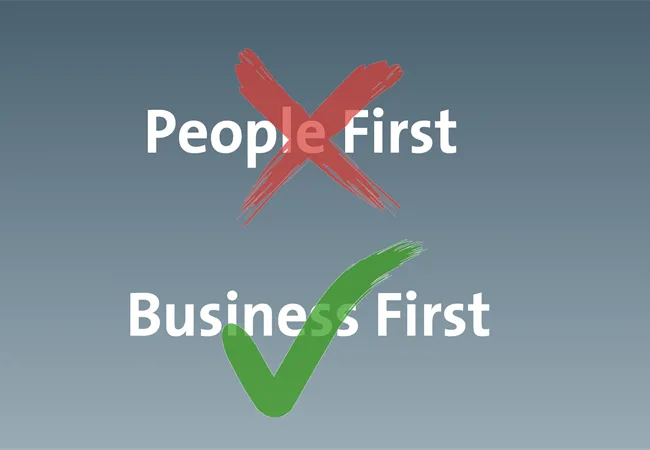
"People First" is one of LinkedIn’s most popular quotes. And it sounds obvious. But what does it actually mean in practice? And why is the slogan so often misinterpreted, even though the business has to come first — but through people.

Ska HR vara vänner med medarbetarna?
En diskussion blossade nyligen upp på LinkedIn mot bakgrund av artikeln ””inte dina vänner” – Ilskan växer mot HR” i SvD. I ljuset av detta så blir frågan aktuell - är det meningen att HR ska agera som vänner gentemot de anställda?

Några obekväma sanningar om HR
När HR debatteras i media så stannar ofta debatten på en rätt trivial nivå – det är rätt/fel och bra/dåligt. Känslor och upplevelser dominerar berättelsen. Det är lätt hänt att faktiska utmaningar hamnar i skymundan i dessa debatter och att verkliga problem blir kvar under mattan. Jag vill belysa några av dem i denna artikel.
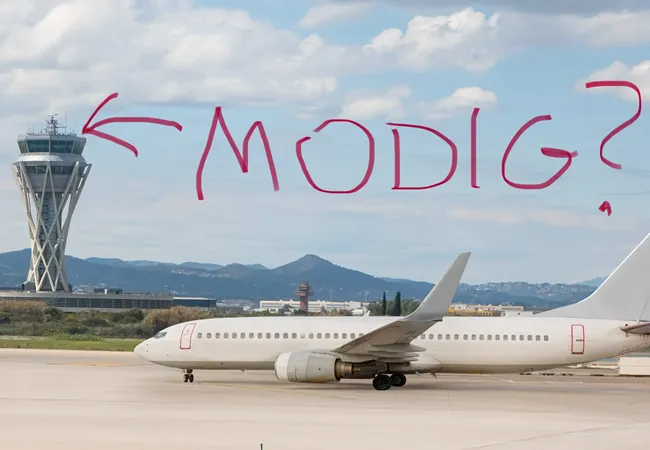
𝗠𝗼𝗱𝗶𝗴 𝗛𝗥 – 𝗻𝗲𝗷 𝘁𝗮𝗰𝗸
(Och varför flygledarledarskap borde vara HR:s mantra)
Employer branding has grown up. Now it must find its role!
We were asked to write an article in Magnetude, Magnet Awards' magazine, about the future of employer branding as a discipline in its own right, but above all its connection to the bigger picture.
Stop pointing at HR, or The buck stops here
HR can support, provide structure and create tools. But HR does not lead the teams, does not set day-to-day priorities and does not set the tone for psychological safety. You do, as a manager.
It’s time to modernise HR work – properly
HR has evolved over a hundred years, but are the structures built for today’s demands? If employees are crucial, why is there then a lack of overview, insight and control over structures and the ability to deliver?
ARUBA, the Underground map and why we also need the HR flounder
The ARUBA model has helped HR create structure and understanding. But it is not particularly good at clarifying where value is actually created.